




About UsThe Transported Asset Protection Association (TAPA AMERICAS) is a 501(c)(6) nonprofit association formed in 1997 to tackle the multi-billion dollar problem of cargo thefts from supply chains. It is a coalition of manufacturers, shippers, carriers, insurers, service providers, law enforcement, and government agencies. Our members represent every type of company or organization facing cargo crime within the transportation supply chain. TAPA AMERICAS is governed by a volunteer Board of Directors and managed by a full-time Executive Director. (Click here to meet our Board of Directors.) Prepare for the New FSR 2026 Version, Key Changes, and Transition TimelineTAPA is pleased to announce the official launch of the TAPA Facility Security Requirements (FSR) 2026, the latest version of TAPA’s globally recognized standard for secure warehousing and in-transit storage operations. What’s New in FSR 2026?
Next Steps
What Organizations Should Do Now Early preparation will help ensure continuity of certification and readiness under the new FSR 2026 requirements. Go to the TAPA AMERICAS website at TAPA FSR 2026 to download your copy of the 2026 FSR Standard Revision and FSR 2026 Certification Framework Document 2026.
|
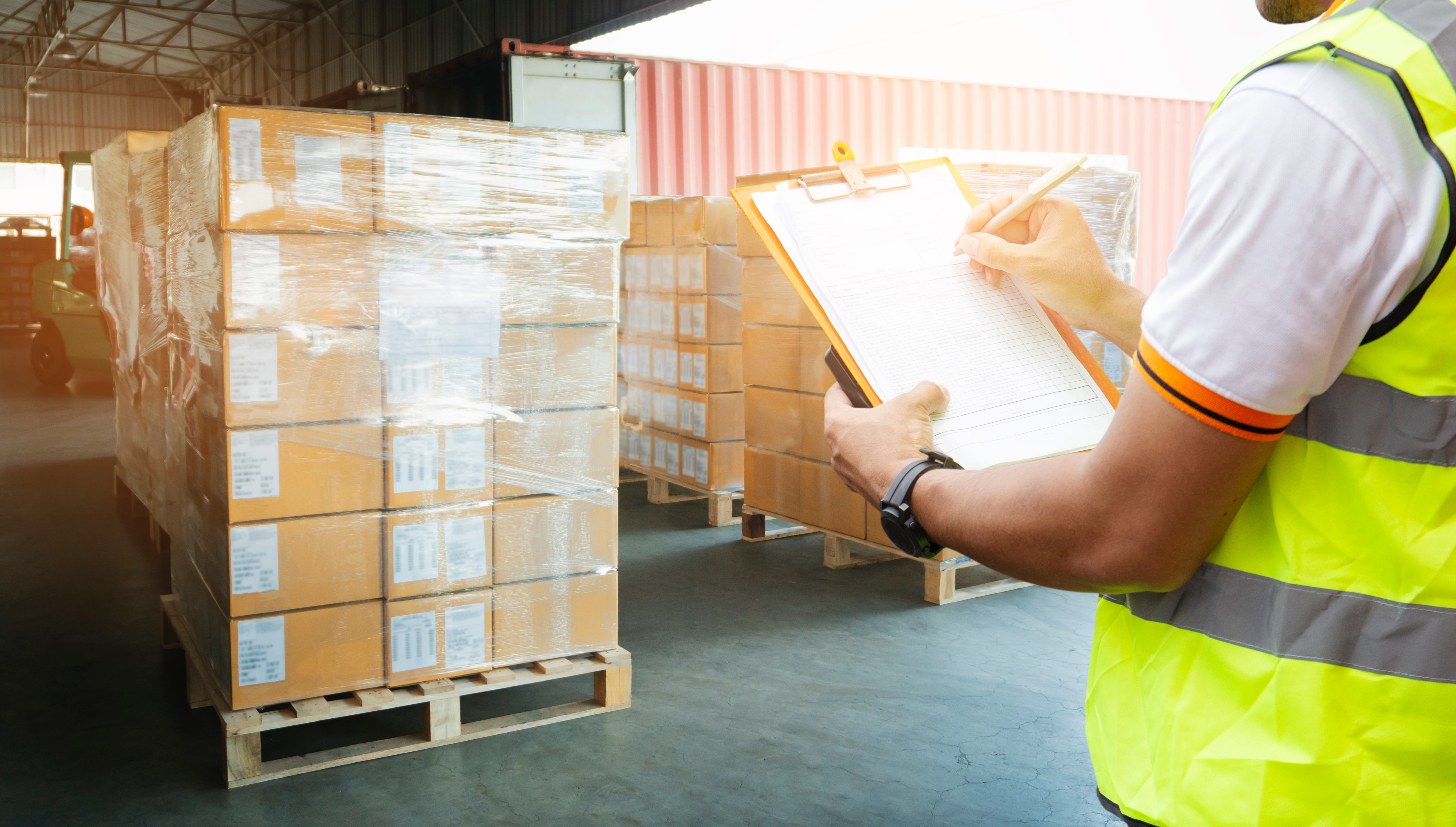 The Transported Asset Protection Association (TAPA AMERICAS) is pleased to announce the official launch of its new Freight Broker Security Requirements (FBSR) Standard, a significant framework aimed at enhancing security measures across the freight brokerage industry. This new framework establishes a vital benchmark for safeguarding high-value cargo and minimizing supply chain risks in a growingly complex logistics environment.

 TAPA AMERICAS is excited to offer members the opportunity to order high quality, logo embroidered apparel through Lands’ End Business Outfitters.
 Upcoming Events
TAPA Standards: Ask the Experts Webinar
To provide further support, we host a monthly webinar to clarify questions and address any uncertainties. We recommend attending towards the end of your training, after completing most modules but before the examination. The webinar is held via GoToWebinar. After registering, you will receive a confirmation email containing information about joining the webinar.
2:00 PM - 3:00 PM Eastern Time
Register Here: https://attendee.gotowebinar.com/register/4000509744539762778
Wednesday, December 2, 2026
2:00 PM - 3:00 PM
Wednesday, January 6, 2027
2026 TAPA Americas T2 Annual Conference
November 11-12, Sheraton Phoenix Downtown, 340 North 3rd Street, Phoenix, AZ, 85004
Click here for more information.
2027 TAPA Americas T1 National Cargo Theft Summit
May 4-5, Crowne Plaza Atlanta Perimeter at Ravinia
Click here for more information.
Current News
TAPA AMERICAS rolls out Freight Brokers Security Requirements Standard
Designed for brokers who arrange transportation without owning physical assets. (click here)
TAPA AMERICAS Launches Law Enforcement Grant Program ...
Check out the new grant program. (click here)
Our Sponsors